
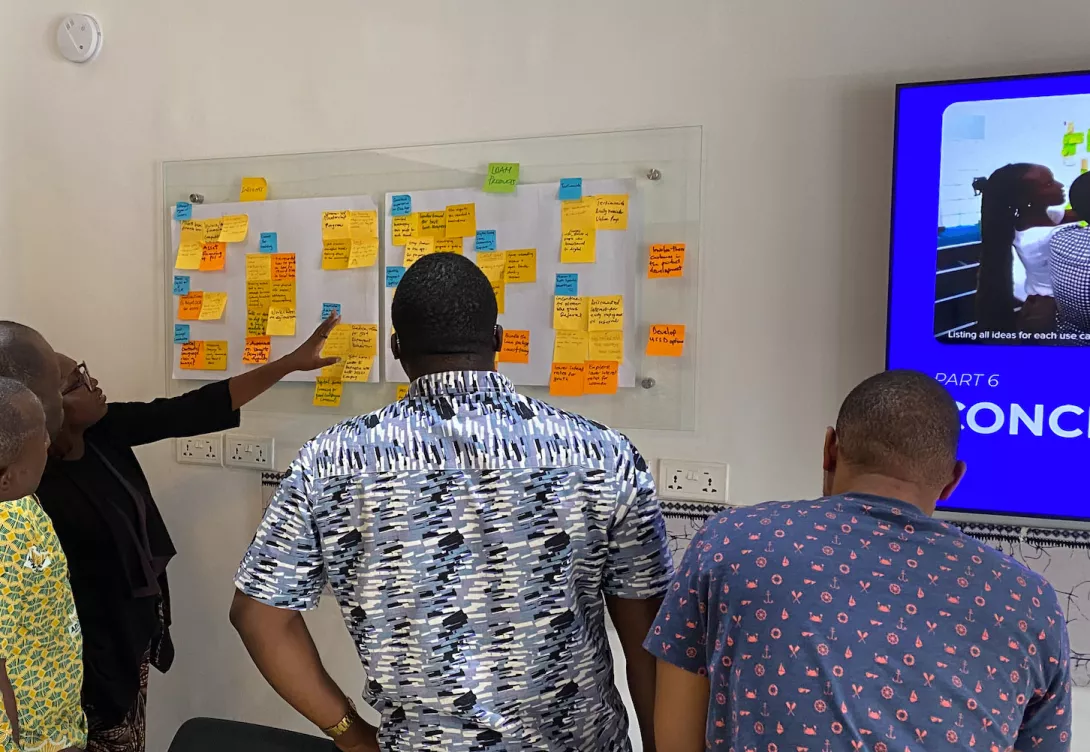
In this project, supported by the United Nations Capital Development Fund (UNCDF), YUX strengthened Financial Service Providers’ (FSPs) capacity to apply Human-centred and design thinking approaches in developing digital financial solutions for women and youth-led MSMEs. Through consultations, capacity building, design sprints, and fieldwork over a 6-month period, FSPs gained practical experience in qualitative and quantitative research, improved their understanding of user needs, and demonstrated greater openness to participatory and iterative product development.
The engagement resulted in early-stage, user-validated product prototypes and more evidence-based product decision-making. While operational and coordination challenges were encountered; particularly around timelines, recruitment, hybrid formats, and partner sequencing, the overall process generated valuable learning.
In Ghana, Micro, Small, and Medium Enterprises (MSMEs) particularly those led by women and youth form the backbone of the economy. However, many remain underserved by financial services, with products that often fail to reflect their realities. Fluctuating incomes, informal business practices, limited digital access, and varied financial literacy levels mean that traditional product design approaches often miss the mark.
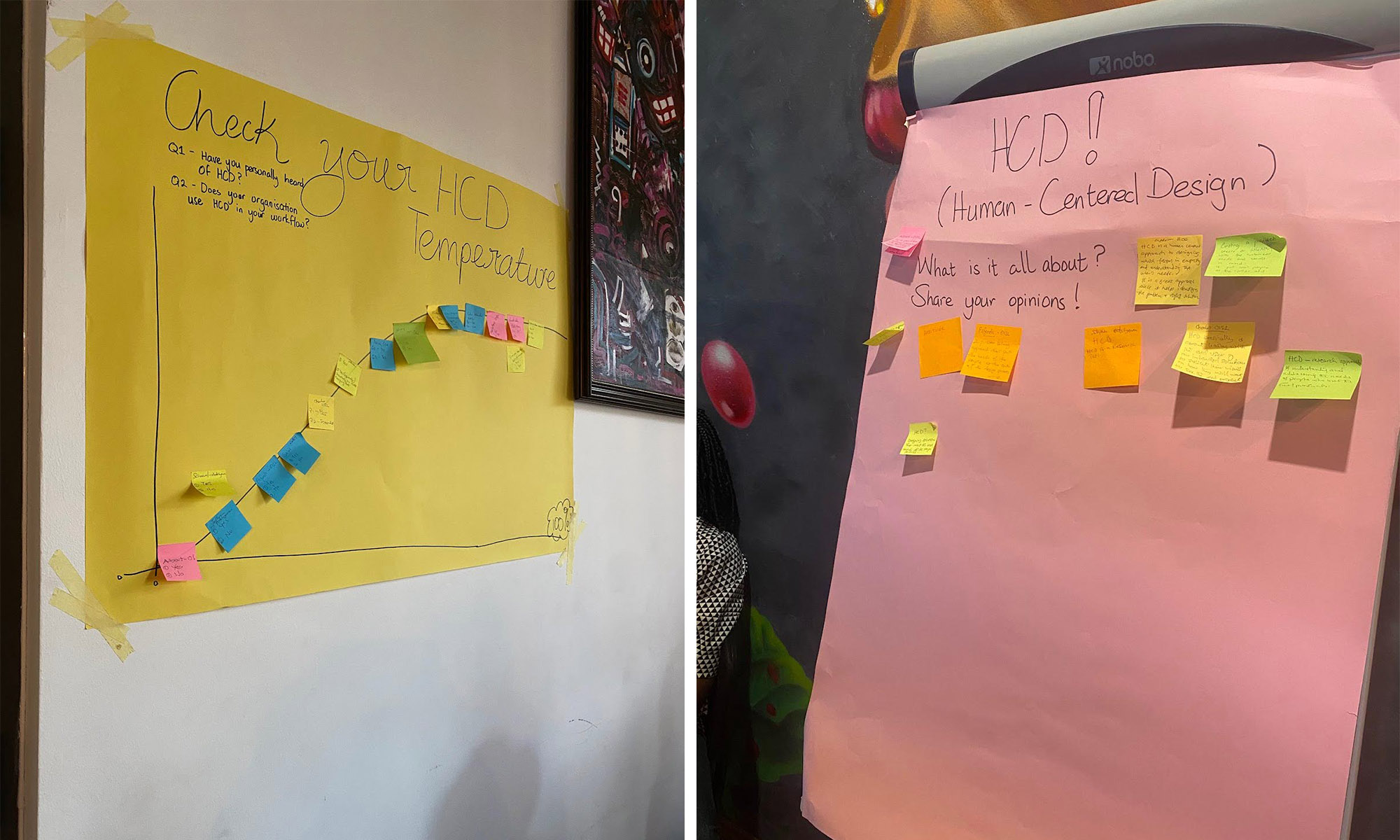
Over six months, YUX Design partnered with five Financial Service Providers (FSPs): Fido, Solis Finance, MTN MoMo Ltd, Adehyeman Savings and Loans (with Oze), and Opportunity International Savings and Loans (OISL) under UNCDF’s Joint Programme “Leveraging Digital Ecosystems for Increased MSME Productivity in Ghana.” The aim was not only to generate new product ideas but to build internal capacity in human-centered design (HCD) and embed participatory approaches into ongoing product development processes.
The engagement combined a series of practical, hands-on activities:
- A scoping and alignment session to understand FSPs existing research & design capacity.
- A joint HCD workshop, where teams practiced interviewing techniques, explored power dynamics in the field, and reflected on how research posture influences the insights gathered from MSMEs.
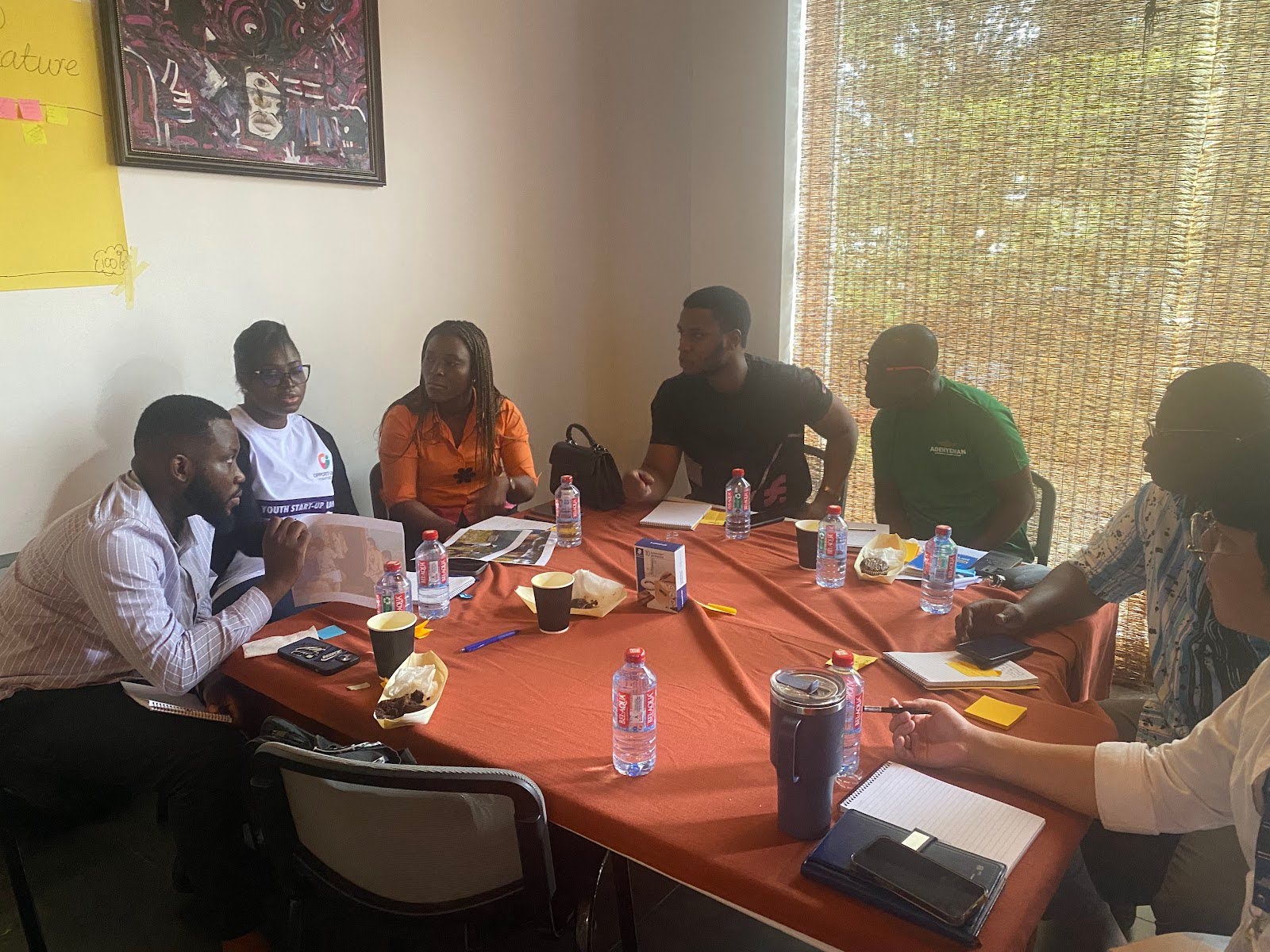
- 3. FSP teams participated in individual design sprints and conducted in-depth interviews with women- and youth-led MSMEs, synthesizing insights, and generating early-stage product concepts. During these sprint sessions, teams were also introduced to AI-enabled prototyping tools, which allowed them to rapidly visualize and iterate on ideas.
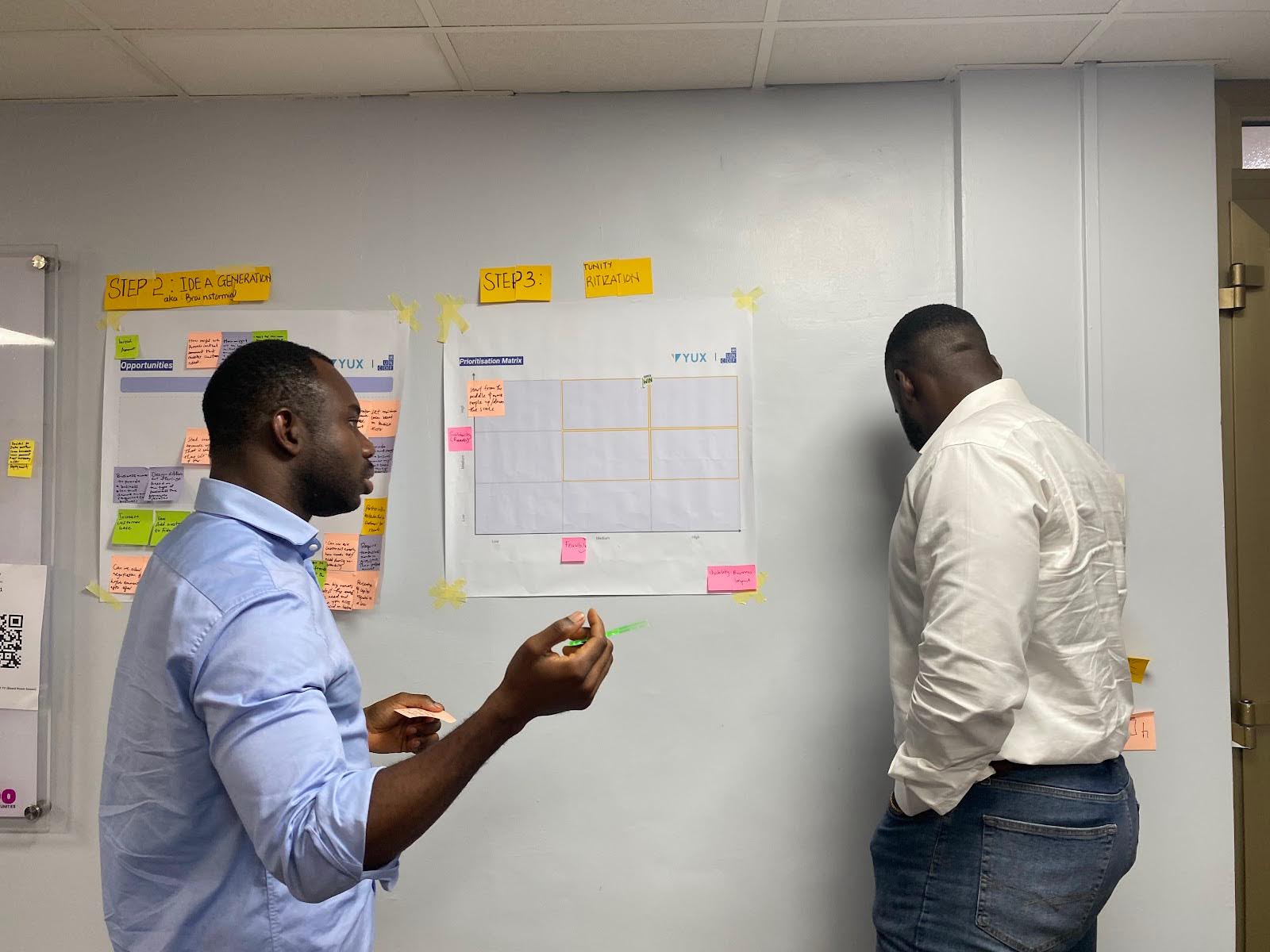
- Research across multiple regions, giving teams the opportunity to test methods in diverse contexts and gather a broader range of user experiences. Teams after fieldwork consolidated their findings and insights and used these to inform new prototype ideas.
- Structured prototype testing sessions were then conducted with a small but diverse group of MSMEs, including both existing users and a non-user.
Testing focused on how participants navigated the overall flow, interpreted prompts and instructions, perceived the usefulness of information provided, and where they experienced friction or hesitation.
The feedback was clear and instructive. Simplicity mattered. Language needed to be concise and grounded in everyday business realities. Content sequencing required adjustment to reduce cognitive load. Even small design decisions such as the number of steps in a flow or the length of an explanation significantly affected usability, particularly for entrepreneurs operating with limited time, connectivity, or digital familiarity.
Throughout this process, YUX acted as a collaborative partner, helping teams translate insights into tangible concepts and guiding them through prototyping and testing before any technical build-out.
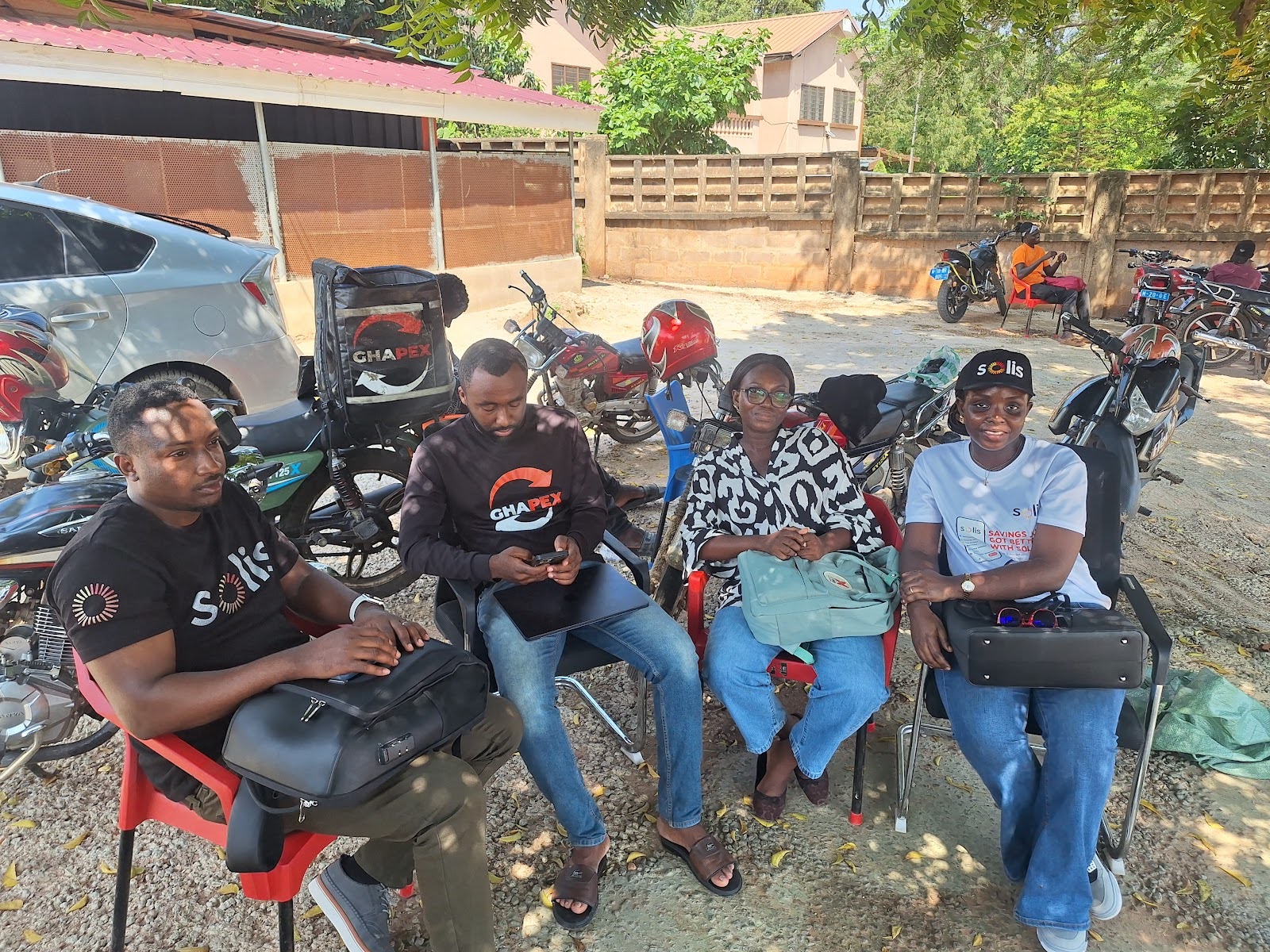
This hands-on, participatory approach highlighted the value of involving MSMEs directly in design.
Across regions, several insights emerged:
- MSMEs are more heterogeneous than expected, with distinct sub-segments requiring tailored financial approaches.
- Many entrepreneurs prefer reinvesting profits over taking loans, while informal credit remains a dominant coping mechanism.
- Structural constraints, such as unreliable connectivity and reliance on feature phones, strongly shape how digital financial tools are accessed.
- Financial literacy needs also vary widely, pointing to the importance of flexible, context-specific support.
Most importantly, FSP teams experienced a shift in mindset. Many had never conducted open-ended user interviews before, and they discovered that direct engagement with users is both accessible and invaluable.
Participatory design helped most teams move from assumption-led decisions to evidence-led innovation, building confidence in their ability to learn from MSMEs and co-create solutions that are more relevant, inclusive, and credible.
Key Takeaways for Practitioners:
- Building Design capacity matters as much as design outputs. Embedding HCD skills enables continuous learning and iteration beyond a single project.
- Participation builds ownership. Co-creating with users results in concepts that resonate with real business needs.
- Simple research yields powerful insights. Qualitative and quantitative methods, applied with empathy and trust, can inform better product decisions at low cost.
- Flexibility is essential. Participatory processes often surface needs beyond project scope; acknowledging these transparently sustains trust and learning.
As the project moves into a second phase - piloting concepts with 2 selected FSPs the foundations established through this human-centered approach promise more inclusive, evidence-driven financial solutions.